Blackout curtains
Block outside light for a darker room.
True blackout is harder to achieve than the label suggests. Most curtains sold as blackout only darken a room; light still leaks around the edges, over the top, and along the sides where the panel meets the wall. The fabric blocks light, but the gaps decide how dark the room actually gets.
For shift workers, light sleepers and nurseries, the fix is as much about fit and mounting as fabric. A panel mounted close to the wall, wider and taller than the window, with a wraparound rod or ceiling track, beats a thicker fabric hung loosely.
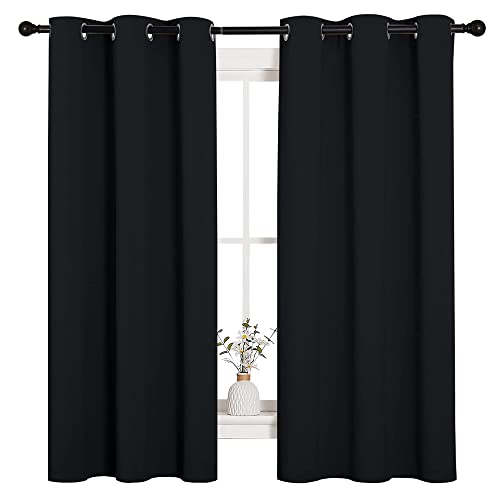
NICETOWN Black Blackout Curtains for Bedroom 42" Wide x 63" Long 2
From $10
Shop Now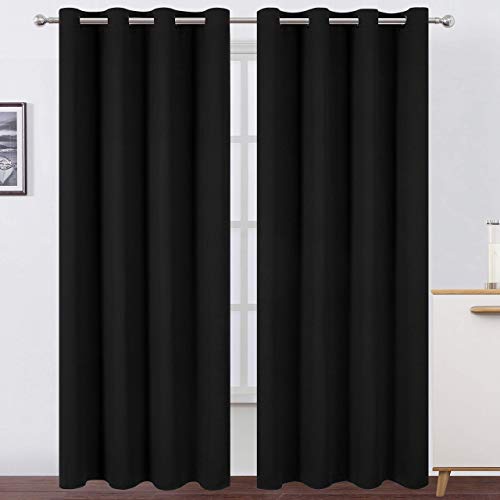
LEMOMO Blackout Curtains 52 x 84 inches Long Black Curtains Set of 2
From $13
Shop Now
MIULEE 100% Blackout Linen Curtains for Bedroom 52x84 Inches Natural
From $26
Shop Now
How to choose blackout curtains that actually block light
Frequently asked questions
Do blackout curtains block all light?
The fabric does, but light leaks around the edges. Real darkness depends on mounting the panel wider and taller than the window and sealing the sides.
Are blackout curtains worth it for sleep?
For anyone sensitive to early light or streetlights, a dark room supports melatonin and later waking. They also help shift workers sleep during the day.