Humidifiers
Add moisture to dry bedroom air.
Dry bedroom air shows up as a scratchy throat, a dry nose and static mornings, especially in winter when heating strips moisture from the room. A humidifier adds it back. The trade-off is maintenance: any unit that holds standing water needs regular cleaning, and that, more than mist output, decides whether people keep using it.
Cool-mist models are the common bedroom choice because they run without a hot element. The deciding factors are tank size for a full night, noise on the setting you will actually use, and how easy the tank is to clean by hand.

Levoit Top Fill Humidifiers for Bedroom
From $40
Shop Now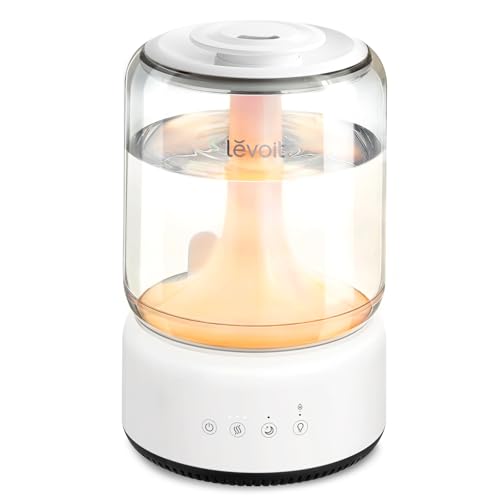
Levoit Humidifiers for Bedroom 4.2L Top Fill for Large Room
From $50
Shop Now
DREO 3L Humidifiers for Bedroom
From $30
Shop Now
How to choose a bedroom humidifier
Frequently asked questions
Is cool or warm mist better for a bedroom?
Cool mist is the usual pick: no hot element, lower power draw, safe around children. Warm mist runs a little quieter and can feel more comfortable in cold rooms.
How often should I clean a humidifier?
Rinse daily and deep-clean every few days. Standing water grows mold and bacteria quickly, so easy cleaning is the single most important feature.