Sleep trackers & rings
Measure your sleep to improve it.
Sleep trackers turn your nights into data: time asleep, stages, heart rate and a morning readiness score. Worn as a ring or a wristband, they are most useful for spotting patterns over weeks, rather than grading a single night. No consumer device matches a sleep lab, but the better ones track trends well enough to act on.
Choose the form factor you will actually wear every night. A ring is unobtrusive for sleep; a watch does more in the day but can feel bulky in bed. Then weigh battery life and whether it needs a subscription.

Google Fitbit Air - Screenless Activity Tracker
From $100
Shop Now
Google Fitbit Charge 6 - Fitness Tracker - Porcelain/Silver
From $139
Shop Now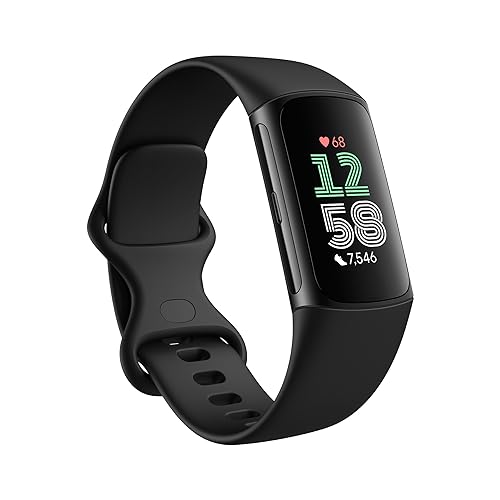
Google Fitbit Charge 6 - Fitness Tracker - Obsidian/Black
From $133
Shop Now
How to choose a sleep tracker
Frequently asked questions
Are sleep trackers accurate?
They estimate sleep well enough to show trends, and heart-rate tracking is fairly reliable, but stage-by-stage detail is approximate compared with a clinical sleep study.
Ring or watch for sleep tracking?
Rings are more comfortable to sleep in and last longer between charges. Watches do more during the day but feel bulkier in bed.